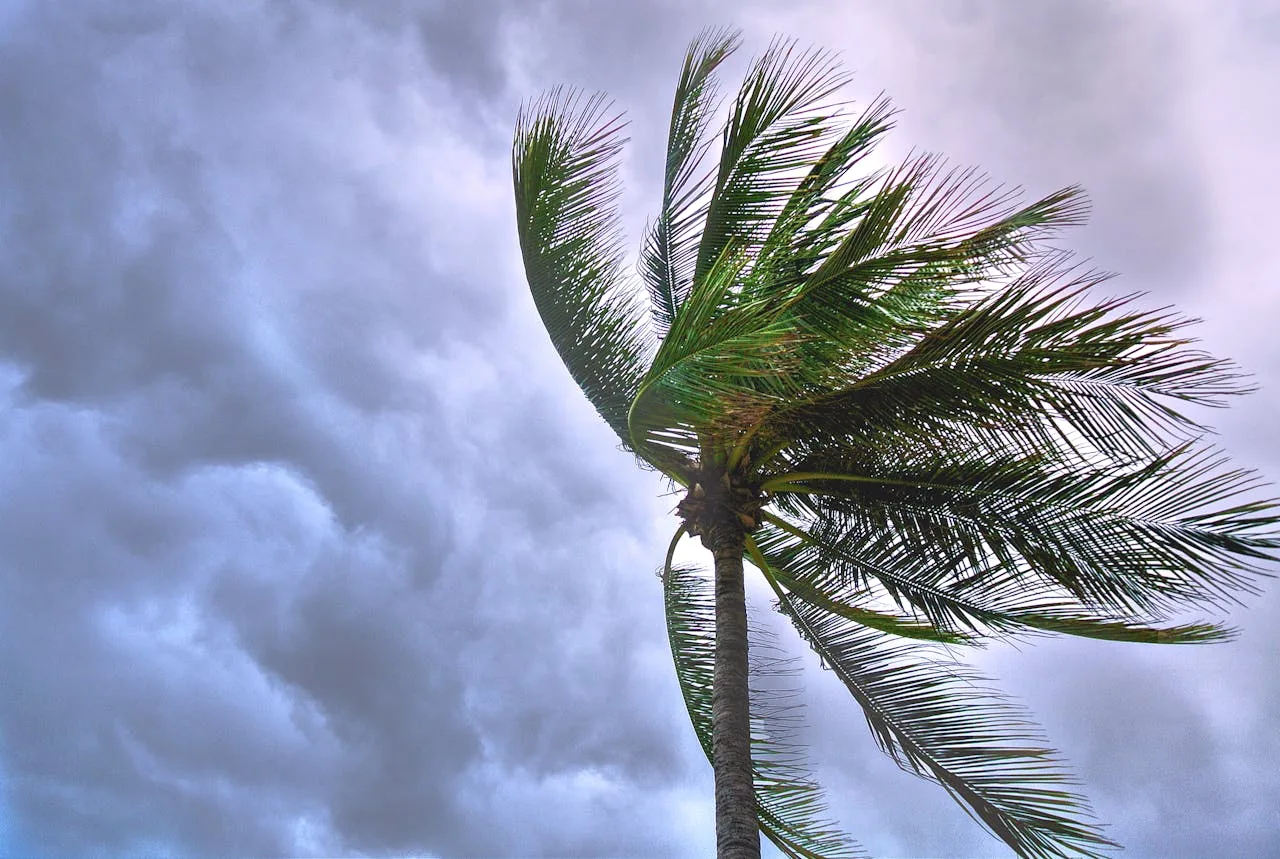
Fertilizer ban takes effect June 30 in Martin, St. Lucie, and Indian River counties to protect waterways
Photo: Treasure Coast Today
Indian River, Martin and St. Lucie counties will ban any fertilizer containing phosphorus or nitrogen starting June 30. Jordan Skaggs with Environmental Resources in St. Lucie County said the ban is to help reduce nutrient rich run off during the rainy season, which can cause algae blooms.
Those blooms could disrupt waterways like the
Already a member?
Two ways to continue reading
Comprehensive local coverage. Unlimited access. Less than $5 a month.
Get unlimited access to Treasure Coast Today and support independent journalism covering Martin, St. Lucie and Indian River counties.
Best value
Annual — $49/year
About $4.08/month
Save $10.88 per year
Most flexible
Monthly — $4.99/month
$4.99
Cancel anytime
Unlimited articles · Full local coverage · Support independent local journalism
Secure checkout powered by Stripe. Cancel anytime.
Subscriptions renew automatically until canceled. Manage or cancel your subscription anytime from your membership account.