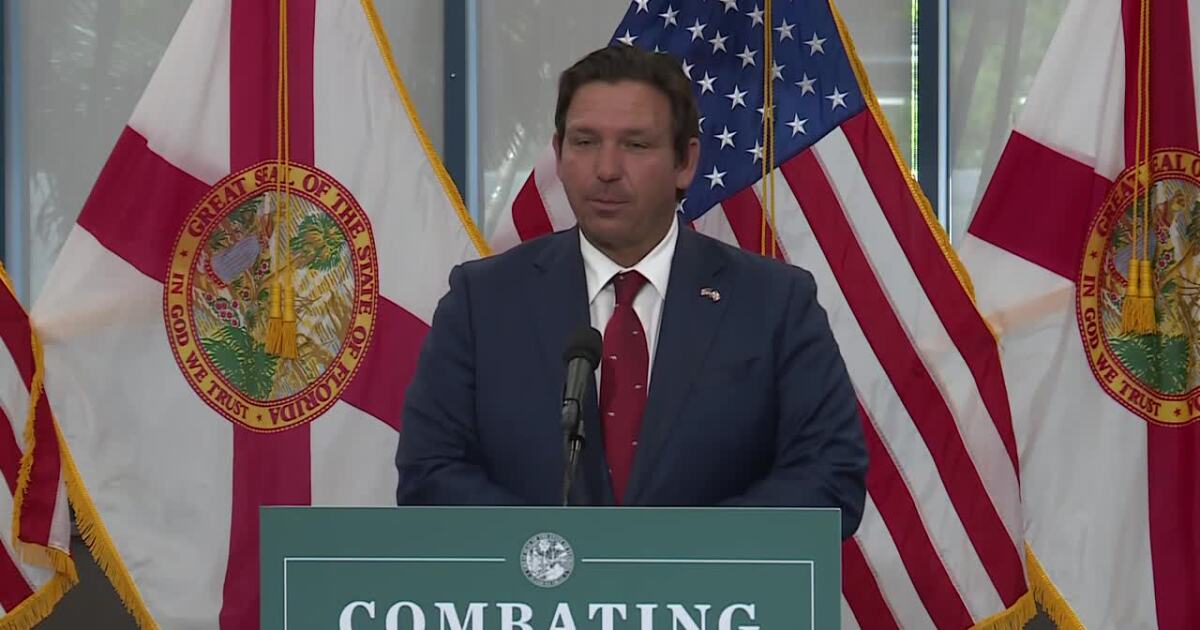
Gov. Ron DeSantis announced comprehensive new Medicaid fraud prevention measures Friday afternoon in West Palm Beach, targeting what state officials describe as sophisticated criminal operations that have drained millions of dollars from Florida's healthcare program. The governor said the state is partnering with the Trump administration and federal agencies to combat fraud that is particularly concentrated in southeast Florida, especially in Palm Beach, Miami-Dade, and Broward counties. "Southeast Florida is one of those fraud hotspots in the United States," DeSantis said, noting that while other regions may experience worse problems, all three counties remain vulnerable to organized theft from the Medicaid system.
Shevaun L. Harris, secretary of the Agency for Healthcare Administration, detailed how investigators uncovered more than a dozen fake Medicaid providers operating in West Palm Beach. These entities, created solely to steal from the state program, were discovered through shared addresses across multiple unrelated businesses, suspicious ownership structures, and a complete absence of actual patient care. Harris characterized the problem bluntly: "This is not a paperwork issue or breakdown in process. This is fraud, plain and simple." She added a direct warning to potential fraudsters: "We have more tools, more investigators, and more resolve than ever. Find another state, because our state is closed to fraud."
The state rolled out three major initiatives to address the problem. First, AHCA is launching a pilot program with Ventolin, an identity fraud detection company that uses technology to identify stolen and synthetic identities and hidden ownership structures before criminals can exploit the system. The technology processes data at speeds that traditional tools cannot match, flagging suspicious activity within minutes rather than days. Second, the state has imposed enrollment freezes on high-risk provider categories, including durable medical equipment suppliers and adult day care providers. DeSantis criticized the previous approach of paying fraudulent claims first and investigating them years later. Third, AHCA is requiring all active Medicaid providers to revalidate their credentials and identity, with removal from the program for those who fail to respond.
Harris reported that Florida's fraud prevention efforts have already recovered and prevented 136.45 million dollars in fraudulent spending. In the past two years alone, AHCA has terminated or denied enrollment to more than 3,200 providers. DeSantis credited Dr. Mehmet Oz at the Centers for Medicare and Medicaid Services for supporting the initiative, while the state also coordinated with Attorney General James Uthmeier's Medicaid Fraud Control Unit through enhanced information sharing. Florida's Medicaid program serves nearly 4 million recipients statewide. The announcement reflects DeSantis's emphasis on fiscal responsibility, as Florida has achieved four consecutive years of state budget reductions while maintaining essential services.