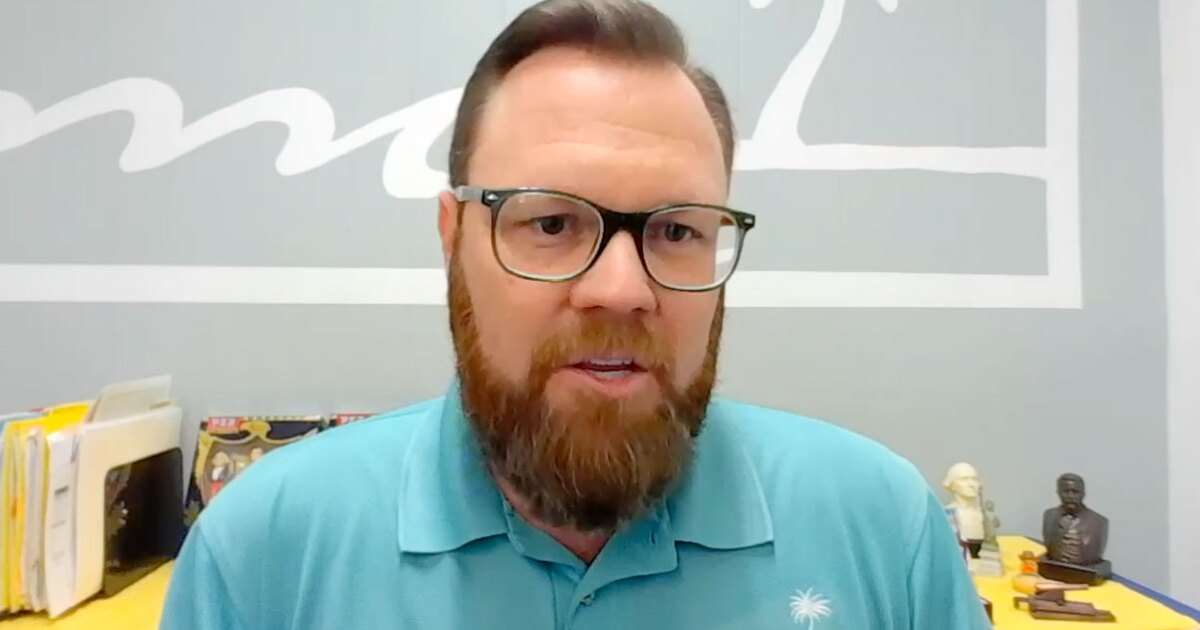
A Florida judge has ruled that Matthew Theobald, a social studies teacher and union president at Martin County School District, must be reinstated to his position and receive back pay after being suspended over comments he posted on his personal Facebook page. Theobald, who had worked in the district for 17 years, was removed from his job in September 2025 following the posts about Charlie Kirk. Superintendent Michael Maine recommended his termination in October, and the teacher remained suspended without pay until an administrative law judge reviewed the case in April.
The Division of Administrative Hearings judge cited a recent Florida Fifth District Court of Appeal ruling in his decision. That ruling determined that disciplining a teacher for personal social media posts made off school grounds, using personal equipment, and with no student involvement violated the teacher's First Amendment rights. The judge found that Theobald's situation involved circumstances very similar to those in the appellate case, making the school district's disciplinary action unconstitutional.
The judge also determined that Martin County School District failed to follow its own progressive discipline policy. Rather than moving through standard corrective steps like counseling, reprimands, and other lesser actions, the school board went directly to suspending Theobald without pay and recommending his termination. By skipping these procedural requirements, the district compounded its legal violations. Based on these findings, the judge ordered the school district to reinstate Theobald and provide him with back pay and benefits.
This case reflects a broader trend of disciplinary actions against educators and public employees across the country following comments about Charlie Kirk's death. Similar situations have resulted in significant financial consequences for employers. In a related case last month, a Florida Fish and Wildlife Commission biologist who was fired over a personal social media post about Kirk received a settlement of $485,000. These rulings and settlements underscore growing legal recognition that public employees cannot be disciplined for lawful personal speech made outside of work on their own time, particularly when such speech does not affect their job duties or involve students.