The Supreme Court has sided with the Trump administration in eliminating Temporary Protected Status for thousands of people from Haiti and Syria, leaving hundreds of thousands suddenly at risk of deportation. Many of these individuals live in South Florida. Temporary Protected Status allows foreign citizens already in the United States to remain, work, and support their families while their home countries face crises such as natural disasters, political unrest, or violence. However, this protection is now ending for Haitian and Syrian nationals.
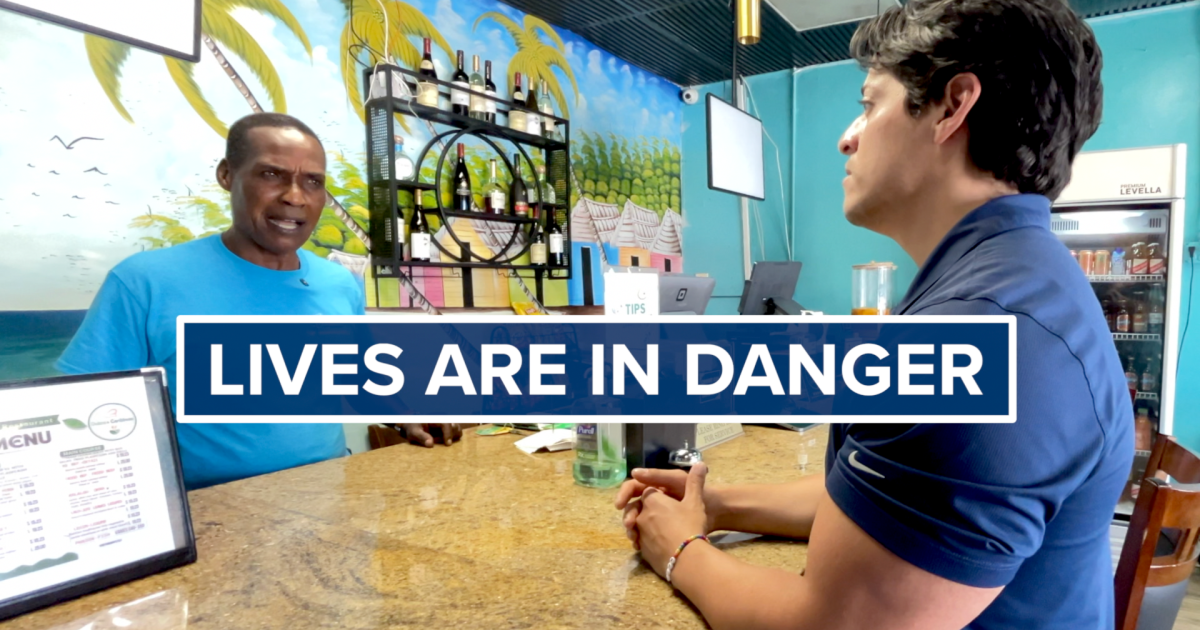
In Riviera Beach, Stecko Dulcio has operated a Haitian restaurant for five and a half years. Though he is now a U.S. citizen and therefore secure in his status, Dulcio expressed deep concern for friends who hold TPS. "That's going to be a disaster," he said when asked about the impact on the Haitian community. "Not only are their lives in danger, and even if they go they don't get killed, but they're going to have a miserable life, because there's no work, no job, and they lose everything they have." Dulcio also noted that gangs have taken over Haiti, controlling houses and transportation while fueling widespread violence. He urged prayer and government intervention to help those affected.
Attorney Byrnes Guillaume, who is Haitian and represents many people facing TPS elimination, explained the practical consequences. "It means that they have no status. It means that if you have a job you no longer are able to work. It means that you were once legal and now you have to go in the shadow," Guillaume said. For families with American-born children, the situation becomes even more complex, forcing parents to choose between leaving their children behind or taking them to a country they've never known. "I do think lives will be at risk," Guillaume warned. The ruling affects roughly 350,000 Haitians and 6,000 Syrians nationwide, though no timeline for deportations has been set.
Florida hosts the largest Haitian immigrant population in the United States. Palm Beach County ranks third nationally and statewide, with 68,400 Haitian immigrants, behind Broward County's 86,100 and Miami-Dade County's 78,800. The Trump administration argues that TPS was designed only as temporary relief during crises and that conditions in Haiti and Syria have improved sufficiently to no longer justify protection. Supporters of TPS strongly dispute this claim. Since January of last year, the Department of Homeland Security has ended protections for people from more than 13 countries.