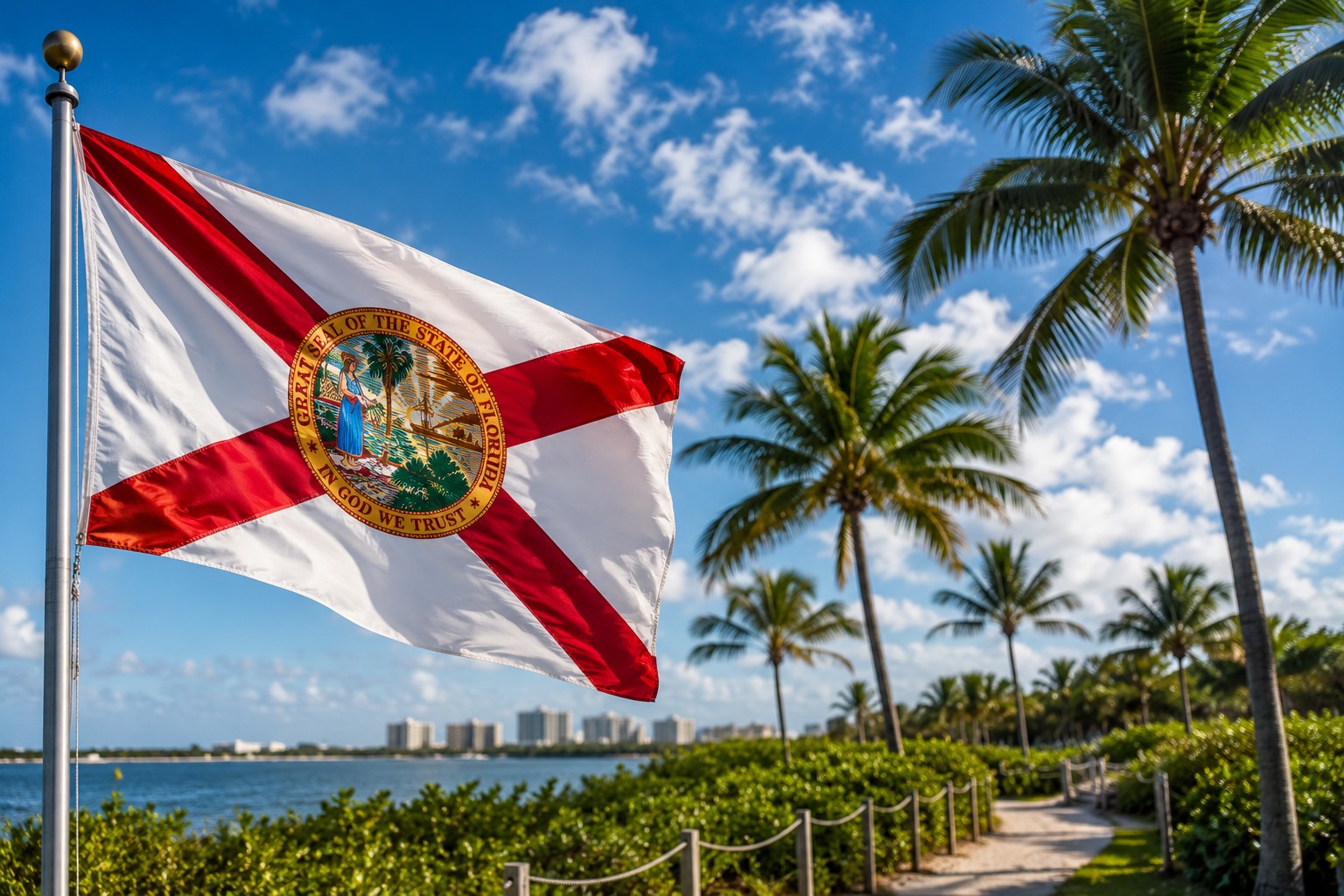
European World Cup fans face economic pressures at home despite extended U.S. visits
Europeans traveling through the United States for the World Cup do have more vacation time than most Americans. Under European Union rules, workers are entitled to at least four weeks of paid annual leave, with many countries and collective agreements offering additional time. However, the OECD's 2025 tax-wedge numbers reveal the cost of
Already a member?
Two ways to continue reading
Comprehensive local coverage. Unlimited access. Less than $5 a month.
Get unlimited access to Treasure Coast Today and support independent journalism covering Martin, St. Lucie and Indian River counties.
Best value
Annual — $49/year
About $4.08/month
Save $10.88 per year
Most flexible
Monthly — $4.99/month
$4.99
Cancel anytime
Unlimited articles · Full local coverage · Support independent local journalism
Secure checkout powered by Stripe. Cancel anytime.
Subscriptions renew automatically until canceled. Manage or cancel your subscription anytime from your membership account.