
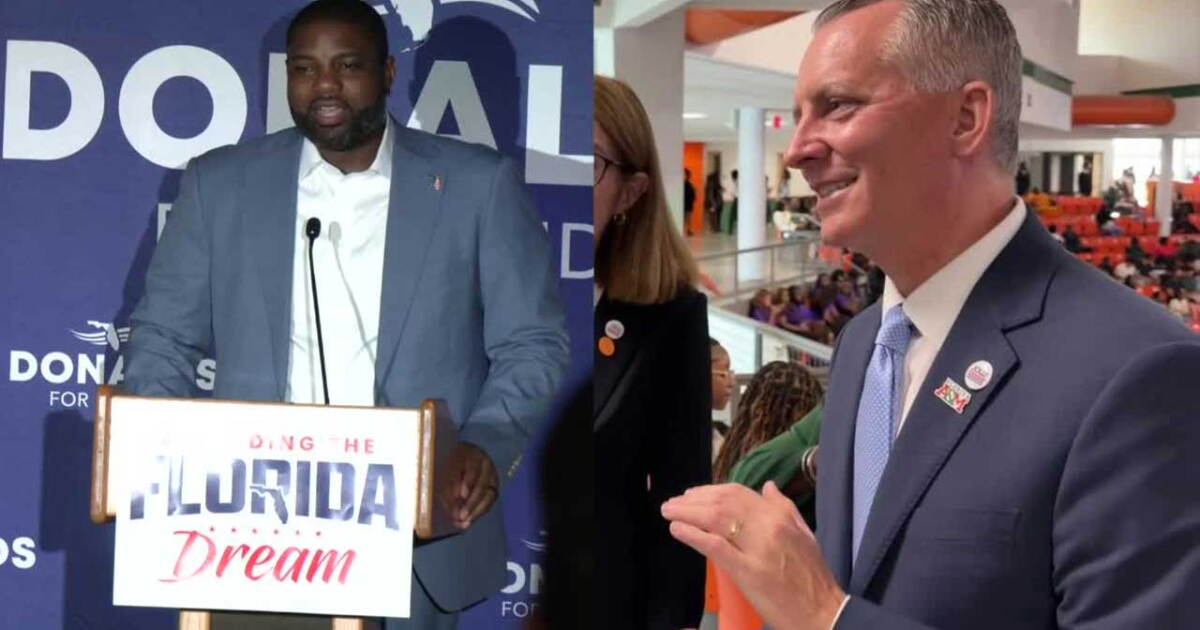
Democrat David Jolly said Sunday he will not debate Republican Byron Donalds before the Nov. 3 election, a decision that means Florida will hold its first governor's race without a televised debate in more than 50 years. The announcement triggered a new clash between the two major-party nominees, who accuse each other of avoiding voters.
Jolly announced his decision on MS NOW, telling Rev. Al Sharpton that Donalds acts in bad faith and continues to peddle lies. Donalds responded by pointing to Jolly's earlier willingness to debate him.
The campaigns had accepted different debate invitations but never agreed to the same events. Jolly accepted proposed forums with CBS Miami's Jim DeFede and the Tampa Tiger Bay Club. Donalds announced he had accepted three other events involving Spectrum News and Florida A&M University, News4Jax, and Telemundo and NBC 6.
Donalds' campaign said its proposed debates would feature two podiums and no audience. Jolly's campaign said it learned of those arrangements through a news release. Jolly said in a statement that Donalds refused the invitations Jolly had accepted and instead set his own rules by press release.
Jolly said Donalds is avoiding scrutiny of his property insurance proposal and other policies. Jolly's statement also linked to fact-checks of Donalds' campaign attacks. PolitiFact rated false a claim that Jolly wants higher taxes on tips, overtime and Social Security.
Jolly is now citing reasoning Donalds used during the Republican primary, when Donalds declined calls to debate his primary opponents. At a Florida Chamber event, Donalds compared the campaign to applying for a job. Jolly said it is not his job to give Donalds a platform. He said his campaign has held more than 300 town halls and community meetings and will continue meeting voters and conducting online outreach.
Political analyst Dr. Susan MacManus said debates offer candidates free exposure and give voters, including those still undecided, a chance to compare the contenders directly. MacManus said declining interest in politics and lengthy televised events can reduce debates' appeal. Candidates may see more value in knocking on doors, holding town halls or doing local interviews.
Artificial intelligence and social media add another consideration, she said. Misleading posts and manipulated material can spread while a debate is underway, potentially shaping perceptions before the candidates leave the stage. But refusing to participate can also alienate voters, MacManus said.