A new Florida Department of Health review found 95 glioblastoma cases in St. Lucie County from 2019 through 2023, compared with 92 expected, a difference officials say is not statistically significant. The analysis examined countywide totals rather than concentrations on individual streets or in specific neighborhoods, leaving families’ concerns about geographic patterns unresolved. The findings largely match the conclusion of the state’s 2019 investigation into cases of the aggressive brain cancer.
Clint Sperber, administrator for the Florida Department of Health in St. Lucie County, said the latest findings remain consistent with statewide expectations for the county. Officials also reviewed existing water and radiation monitoring records without identifying new concerns. The latest analysis presents countywide totals without age or sex breakdowns because officials said the number of cases was too small to make those comparisons statistically reliable. The 2019 investigation had included those breakdowns and examined environmental monitoring information, including public water utility data and radiation monitoring records associated with the area’s power plant.
Families’ concerns have centered on both the ages of some patients and how close they lived to one another. Some patients lived within blocks of each other or on the same street. In one instance, unrelated patients had lived in the same home.
Glioblastoma is most commonly diagnosed in older adults, but local patients included Lenny Schelin Jr., who died at 33, Mark Cunningham, who was in his 30s, and Kyle Vericella, who was 18. Schelin survived 17 months after his diagnosis. His mother, Deb Johnston, wants investigators to examine individual neighborhoods more closely, particularly the White City area.
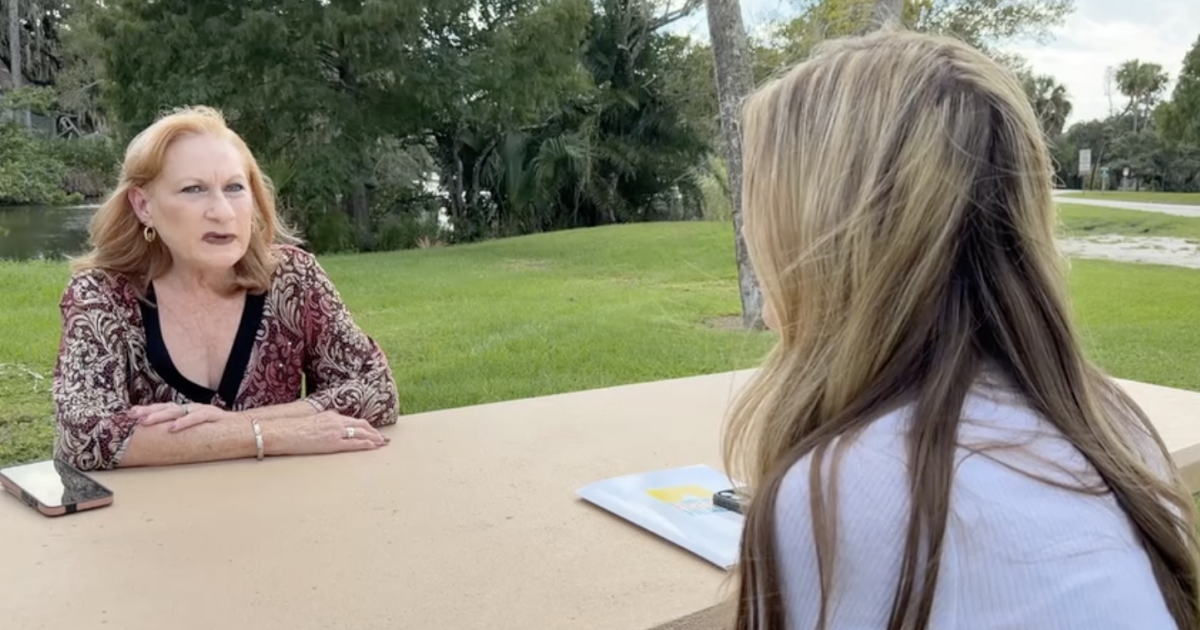
Nearly eight years after her son’s death, Johnston remains grateful that health officials continue to review the cases, but she is still seeking answers. “I haven't given up, it's just you get tired,” she said. She hosts an annual fishing tournament honoring Schelin, who loved fishing, and the event has raised nearly $300,000 for glioblastoma research. The Florida Department of Health has invested at least $9 million in research into the disease. Sperber said identifying a single environmental cause is difficult, pointing to research identifying nearly a dozen potential factors associated with glioblastoma.