
Martin County officials are considering putting the Savannas watershed under one organization after flooding damaged or destroyed homes in Jensen Beach. The proposal comes amid concerns about the downstream effects of Port St. Lucie's permitted pumping of floodwater into the Savannas Preserve following historic rainfall on the Treasure Coast.
At a Martin County Commission meeting, Public Works Director James Gorton suggested that the water management district could oversee the watershed rather than leaving management decisions to individual jurisdictions. “One such idea might be looking at treating the Savannas as a watershed that needs to be managed by one party,” Gorton said. “Maybe it would be the water management district.”
Officials said Port St. Lucie pumped floodwater into the preserve before water flowed south toward Jensen Beach neighborhoods. Gorton said the city pumped Monday and Tuesday morning, stopping Tuesday morning. Port St. Lucie has a permit allowing it to pump into the preserve. Residents believe pumping from areas to the north contributed to water moving south and overflowing into their neighborhoods.
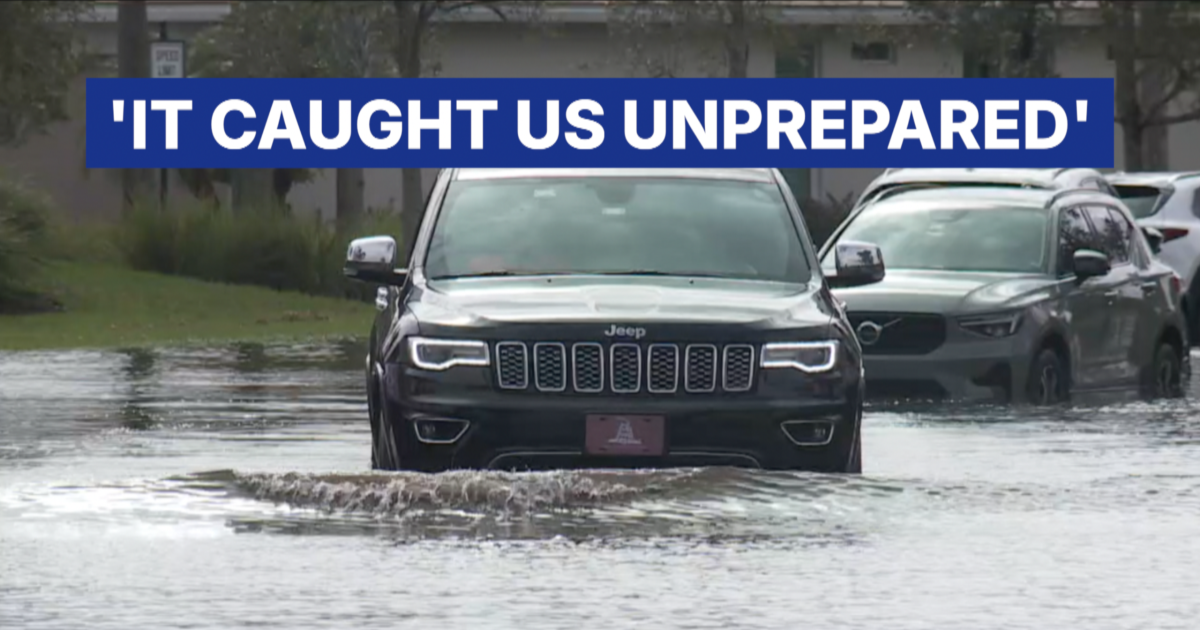
Gorton raised concerns about jurisdictions focusing on water levels within their own watersheds rather than downstream consequences. “They're just looking at the water levels that are in their watershed,” he said. “They're not looking at their impacts to the downstream.” He also acknowledged the challenge posed by the storm: “The severity of that rainfall caught us unprepared,” Gorton said.
The flooding and damage came days after the historic rainfall stopped. Tiffany Kincaid, whose home was devastated, said her family believed protections were in place until rising water forced them to leave. “I've never seen anything like this, not this level of devastation that has been sort of sitting in water for now eight days,” Kincaid said.
Martin County Commissioner Edward Ciampi supported reconsidering how the watershed is managed. “I agree with what your suggestion was, is that it just can't be whoever pumps fastest and first wins,” Ciampi said.
Gorton framed unified management as a potential way to reduce future flooding. “Once we get that water out, there's a larger discussion that we need to have, which is: What are we going to do to mitigate this in the future?” he said.