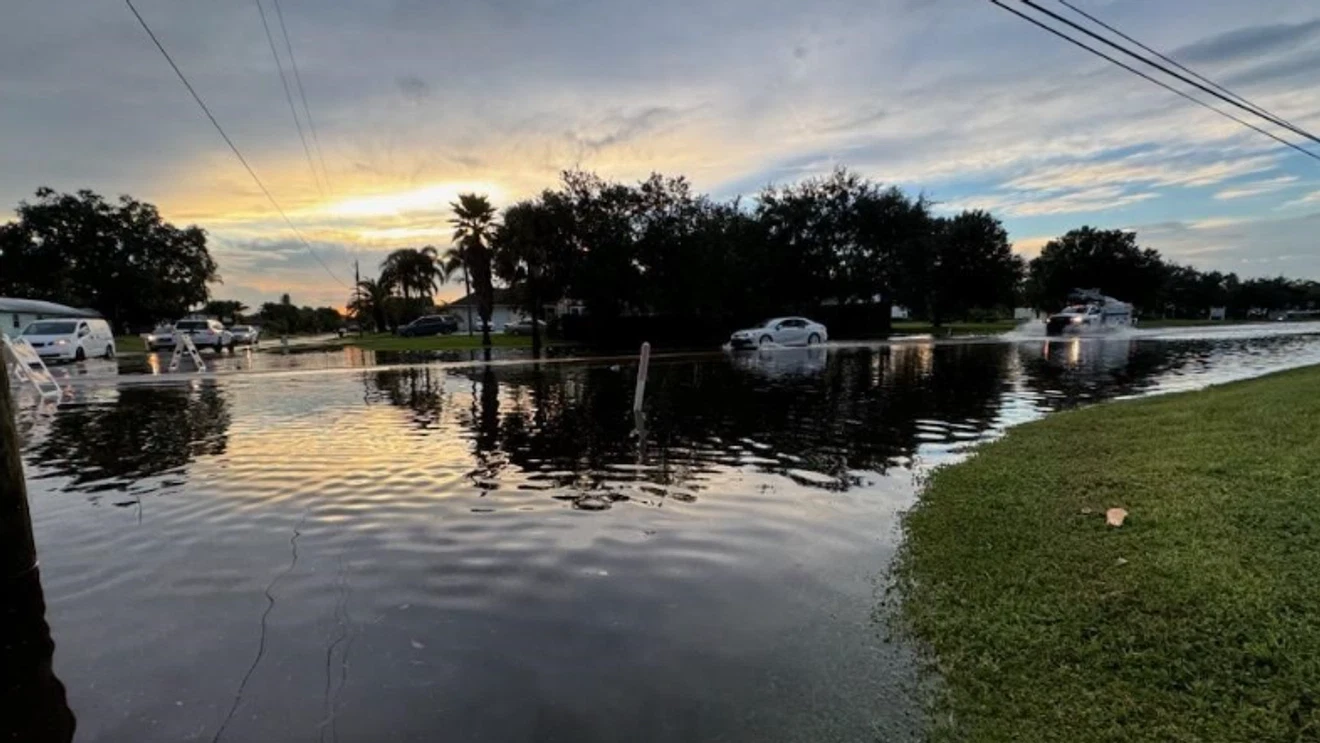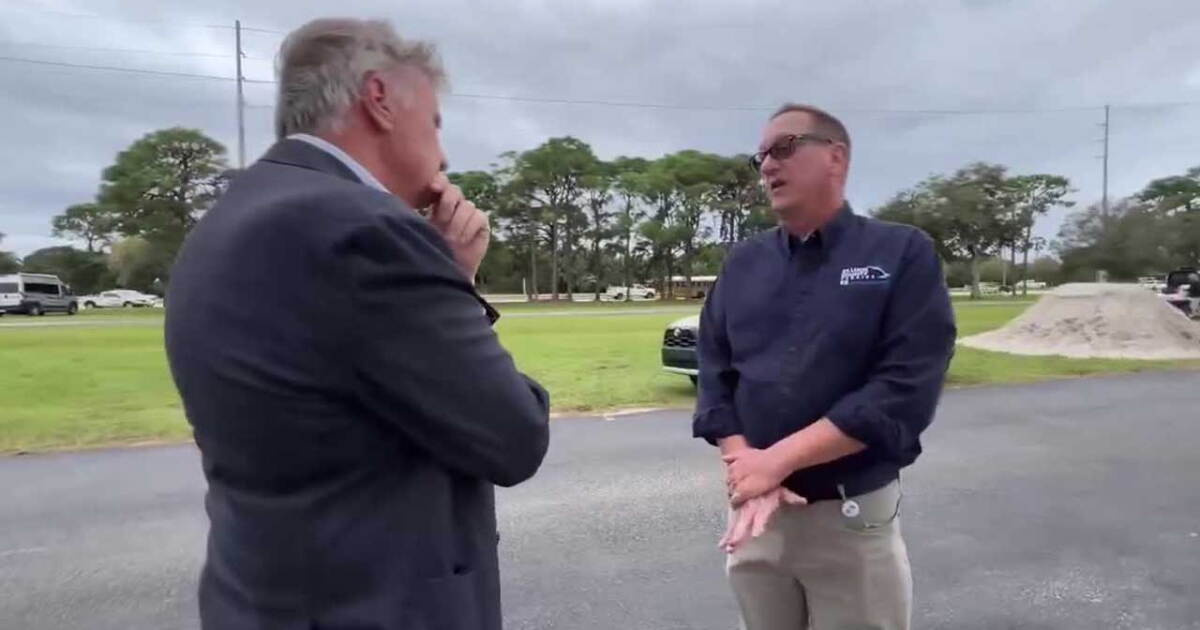
St. Lucie County resident and water-policy advocate Nyla Pipes said warnings about flooding risks had been raised weeks before the county’s historic early-November flooding, with other concerns stretching back years. Speaking at a South Florida Water Management District board meeting after the flooding, Pipes challenged the idea that the danger had arrived without warning.
The flooding damaged hundreds of homes after more than three days of rain dropped over a foot of water on parts of the county, with some locations recording as much as 17 inches. More heavy rain this week has renewed concerns about the drainage system’s capacity. Schools were closed Wednesday.
Responsibility for drainage is divided among the U.S. Army Corps of Engineers, the water management district, the county, cities, local water-control districts and homeowners’ associations. Which agency handles a problem depends on the canal or drainage system involved. Water typically travels through ditches and canals toward the St. Lucie River and Indian River Lagoon before reaching the ocean.
During the flooding, unusually high tides restricted that flow. County Commissioner Cathy Townsend said residents called as water rose, asking what officials were doing. She said she could tell them only that floodgates were open and water was moving, despite the worsening conditions.
At the district meeting, board member Thomas Hurley described the flooding as a warning that infrastructure maintenance is becoming more important as water levels rise. Fellow board member Jay Steinle said shortcomings in forecasting equipment had left the district without enough advance notice to lower canal levels and prepare. Pipes, however, said concerns had already been raised.
Townsend has called for better maintenance of county canals and ditches and criticized the district’s timing in opening a canal. She said she later learned that an environmental concern had caused the delay. Townsend also acknowledged that earlier openings might not have prevented flooding, given the amount of water the system faced.
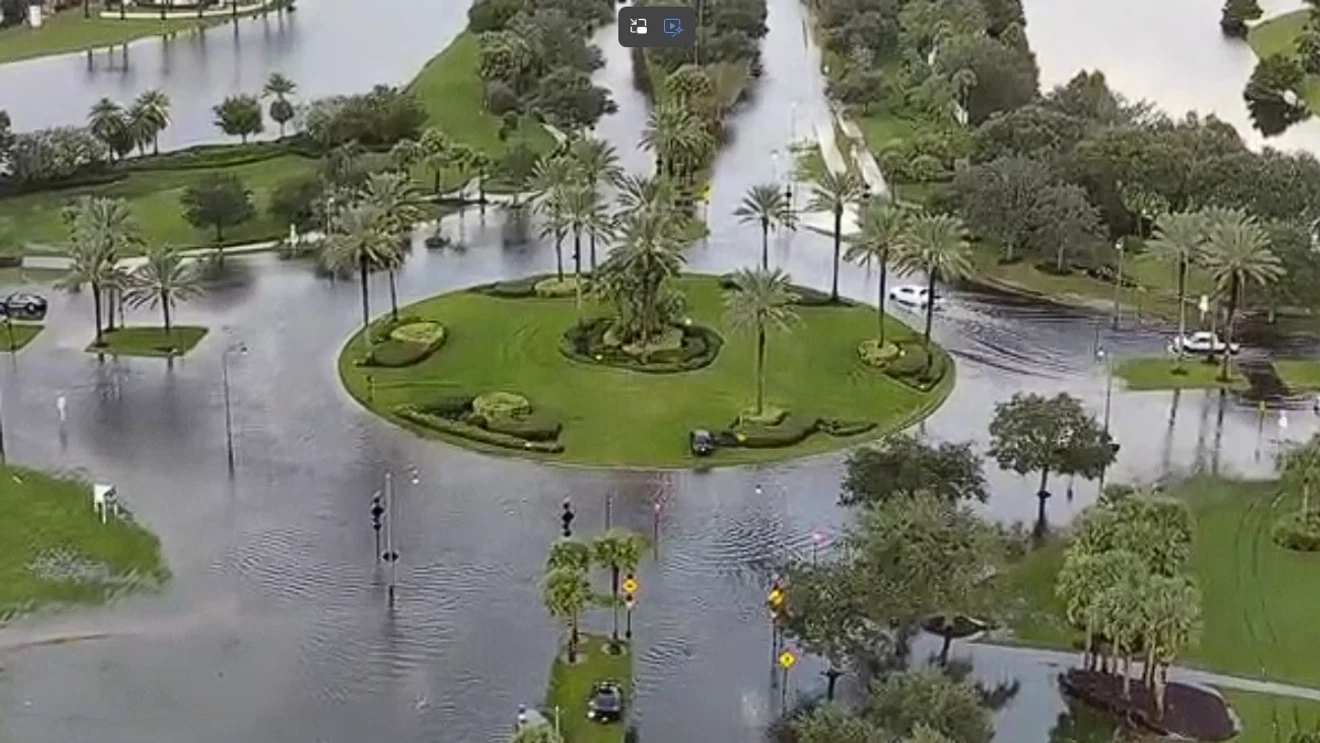
The damage revealed weaknesses in newer planned developments, including Tradition. In its Vitalia neighborhood, floodwater submerged streets, stranded vehicles and left some residents without electricity for days. Tradition was built using the existing canal network, and developers were not required to construct a new canal, a possible factor in the community’s drainage problems.
The flooding also created financial concerns for homeowners. Many affected properties were outside areas FEMA designates as having a high flood risk, where flood insurance is generally required for federally backed mortgages. Some owners outside those zones may not have carried flood coverage to help pay for repairs.