
Retired Army Lt. Alex Vindman and state Rep. Angie Nixon are presenting sharply contrasting campaigns in the Florida Democratic Senate primary, with Vindman holding a substantial fundraising advantage of roughly $14.5 million raised through June.
The Aug. 18 primary will determine which Democrat challenges Republican Sen. Ashley Moody in November's general election to complete the final two years of a former senator's term.
Vindman has outpaced even Moody in fundraising and is highlighting his military service while positioning himself as a candidate capable of reaching voters beyond the Democratic base. He has focused his campaign on the November election and the need for congressional checks on President Donald Trump, saying Republicans in office have abandoned their responsibilities to check executive power. Vindman has declined to debate Nixon during the primary.
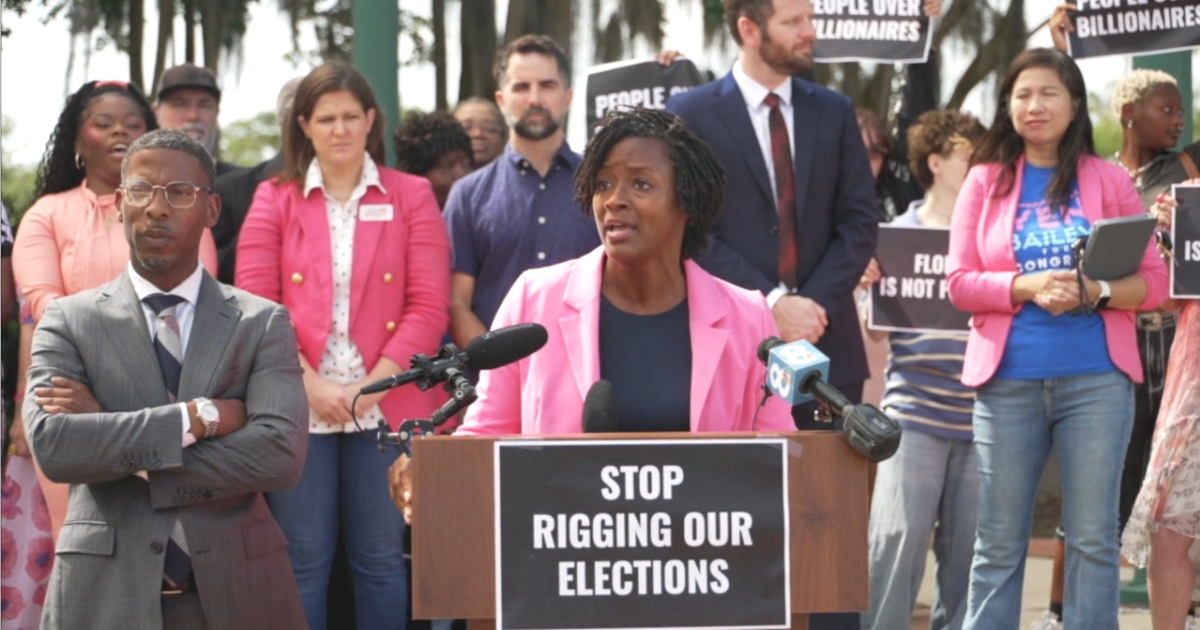
Nixon is countering Vindman's national profile with her Florida roots, a more progressive platform, and a working-class message centered on wages and affordability. The Jacksonville Democrat's campaign social-media posts have highlighted everyday challenges including car trouble and a flat tire, portraying those moments as evidence she deals with problems confronting voters. At the Florida Capitol, Nixon has developed a reputation as an outspoken protester, using a bullhorn during the fight over Florida's congressional maps and facing charges following a sit-in demonstration at the governor's office.
Moody faces three lower-profile candidates in the Republican primary but is expected to advance easily to November, allowing her to concentrate on the general election. She is framing the race as a choice between Republicans and Democrats moving the country toward socialism and greater government control. The latest Decision Desk HQ polling average gives Moody a seven-point advantage over Vindman, 47% to 40%, placing the race within competitive territory though not yet a top-tier national toss-up. The winner in November will serve the remainder of the term and must run again in 2028 for a full six-year term.