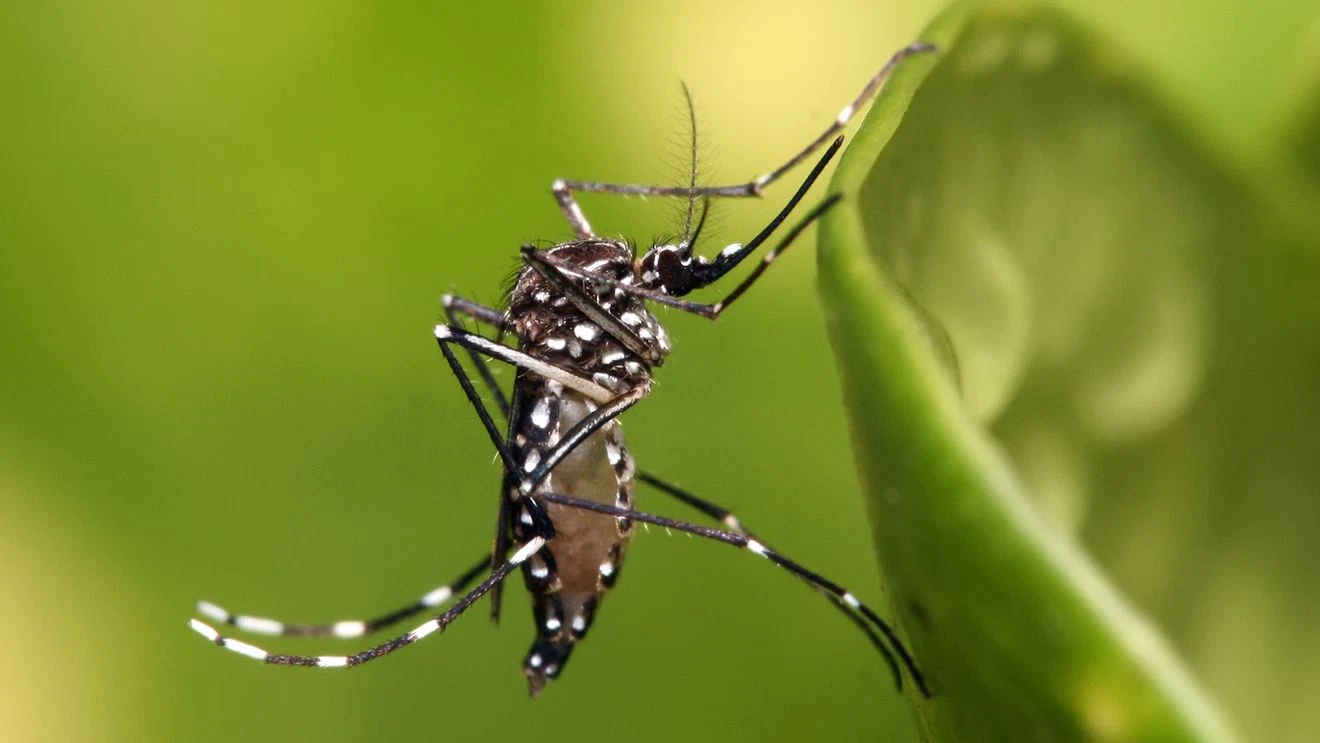
A new University of Florida study has found that Aedes aegypti, the mosquito species most closely linked to dengue transmission worldwide, is surprisingly common in residential yards across Indian River County, even though no locally acquired dengue cases have been reported in the county. The finding comes as Florida has reported nearly 500 dengue cases this year, including more than 250 infections acquired within the state.
Researchers at UF/IFAS' Florida Medical Entomology Laboratory in Vero Beach conducted the first-of-its-kind study by trapping mosquitoes at homes and having residents log their bites using a smartphone-based Bite Diary. The team expected yards to be dominated by Aedes albopictus, the Asian tiger mosquito, but instead found relatively high numbers of Aedes aegypti, the yellow fever mosquito. Researchers collected 3,788 female mosquitoes from 78 yards during the study, which was peer-reviewed.
Of 70 bites residents reported, nearly 93% happened outdoors and nearly 74% happened at home. The number of mosquitoes trapped in a yard did not predict how many bites a resident reported. Instead, people who spent more time outside in the evening, between 5 p.m. and 9 p.m., reported more bites, with gardening and dog walking among the most common activities linked to bites. Researchers emphasized that the finding does not mean dengue is circulating in Indian River County, but said it shows why backyard mosquito control and personal bite prevention still matter.
The Florida Department of Health's weekly surveillance report covering Sept. 20-26 listed 252 locally acquired dengue cases and 245 travel-associated cases statewide, for a total of 497. Locally acquired cases were reported in Hillsborough, Miami-Dade, Orange, Palm Beach, Pasco, Pinellas and Polk counties, with Hillsborough County accounting for 223 of them as the center of the state's outbreak.
No locally acquired cases were listed for Indian River County. Palm Beach County reported one locally acquired case and 12 travel-associated cases, and St. Lucie County reported six travel-associated cases. State health officials also reported 20 mosquito pools testing positive for dengue statewide.
Dengue spreads only through mosquito bites, not person to person, and symptoms can include fever, severe muscle and joint pain, rash, nausea and pain behind the eyes. Health officials urge residents to use EPA-registered insect repellent, wear long sleeves and pants when practical, repair window and door screens, and dump standing water from containers such as buckets, flowerpots, toys, tires and pool covers. People with symptoms should contact a health care provider, especially after travel to an area where dengue is common.