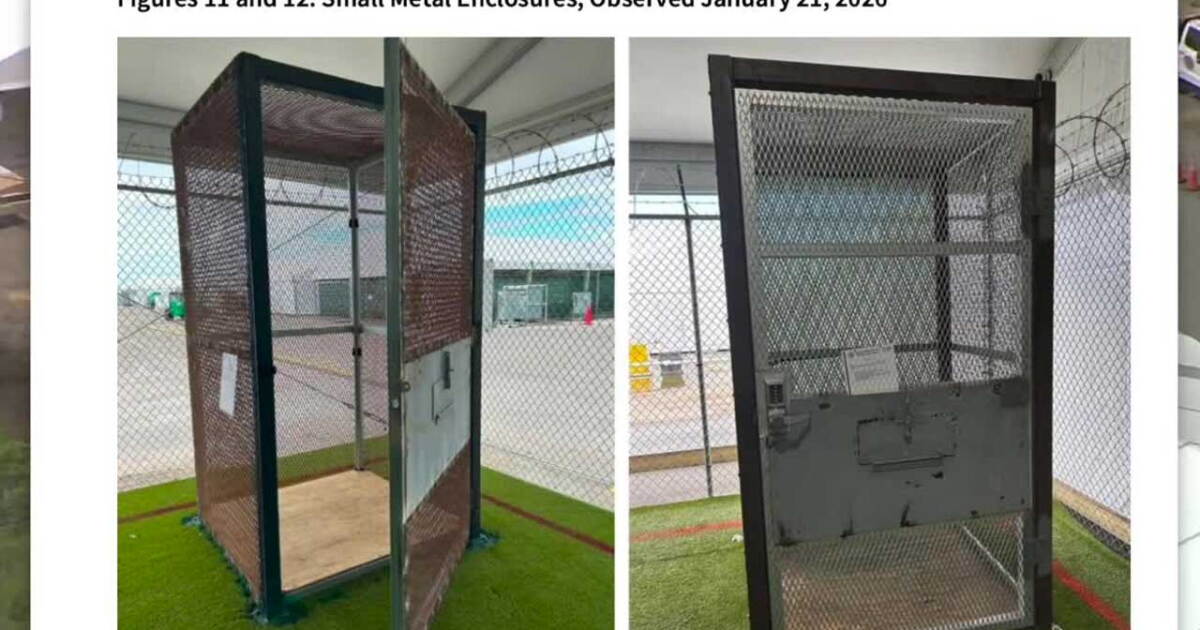
A Department of Homeland Security inspector general report found that 79 detainees were confined in metal enclosures offering about 18 square feet of floor space at Florida's now-closed Everglades immigration detention center known as Alligator Alcatraz, with stays ranging from several minutes to nearly two hours. The findings from an unannounced January inspection documented serious health and safety failures at the facility, which ceased operating in June, while Gov. Ron DeSantis defended the operation Monday and said Florida's detention assistance helped federal authorities detain and deport about 25,000 people.
The confinement practice occurred between July 17, 2025, and January, with detainees exposed to outdoor temperatures in the small enclosures. Inspectors described the practice as unprecedented among detention facilities their office had inspected and a significant risk to detainees' health and safety. Staff described the spaces as calming areas for people seeking time alone, though inspectors also identified an instance in which an enclosure was used after a detainee failed to follow a command.
The federal review documented additional failures including insects in bathing areas, showers limited to three times a week, and inadequate recreation. Inspectors also found shortcomings in medical care and food service, while finding compliance in the intake and use-of-force areas they reviewed. Staff could not consistently identify which detention standards applied, according to the report. The inspector general administratively closed all 10 recommendations because the facility had ceased operating.
Speaking in Lakeland on Monday, DeSantis said the goal had been to exceed federal standards and argued that Florida's assistance was necessary to help carry out the Trump administration's deportation plans. He acknowledged he had not read the report. His remarks referred to both Alligator Alcatraz and a Baker County operation, and DeSantis said the federal government had approved reimbursement for the state's work.
The findings emerge amid a continued fight over emergency powers and public money used to run the facility. The Florida Division of Emergency Management submitted its overdue spending report Friday, and lawmakers approved another $250 million for emergency expenses, including immigration costs. That report showed Florida had received $84.5 million of an expected $608 million in federal reimbursement for detention centers and listed more than $417 million in unpaid immigration-related invoices as of June 30.