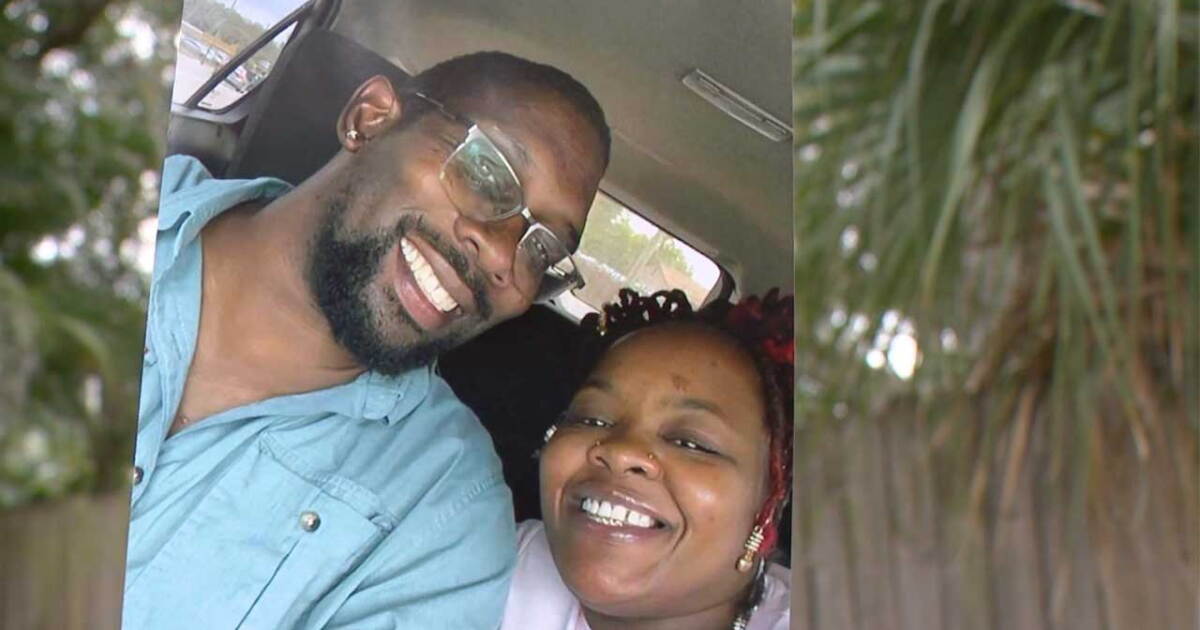
A Tampa father remains jailed after illegal voting charges triggered a probation violation, while his attorney challenges the state's evidence and questions why it sent him a voter identification card despite his ineligibility. Donta White, 44, is one of 20 defendants charged with voter fraud in Florida's latest sweep. His attorney, Lynley Flagler, disputes whether the evidence establishes that White personally cast a ballot.
His jury trial is set for early next year. He faces up to 15 years in prison for illegally voting and 30 years for the probation violation stemming from the voting charges.
Prosecutors allege White submitted two voter registration applications falsely claiming his voting rights had been restored, then voted early in the 2024 general election. He is charged with illegal voting and two counts of false swearing. At the time, White was serving a 10-year probation sentence for grand theft.
According to a Florida Attorney General's Office press release, he signed a state form warning him not to register or vote until he completed his sentence. A spokesperson for the office said White admitted to authorities that he registered and voted.
Flagler questions the state's case and argues that sending White a voter card raises an entrapment issue. “They want to prosecute voting, but they have not put any checks and balances in place to let people know when they're able to vote and when they can't vote,” she said. A voter identification card does not itself grant voting rights. Under Florida law, certain convicted felons can regain those rights after completing their sentences, including probation.
White remained ineligible because he was still serving probation. His girlfriend, Taquilla Allen, is helping care for his two young children while he is jailed.
Voter eligibility has been a recurring issue in Florida. Gov. Ron DeSantis previously announced the arrests of 20 former felons who cast ballots despite disqualifying convictions; several said they thought they could vote.
Ramon De La Cabada, a Florida criminal defense attorney who co-chairs a committee formed after those arrests, said its review found “more confusion than fraud.” He believes White's case may reflect similar confusion. De La Cabada said voters bear responsibility for knowing their eligibility, but he also questioned why the government is not communicating eligibility rules more clearly.