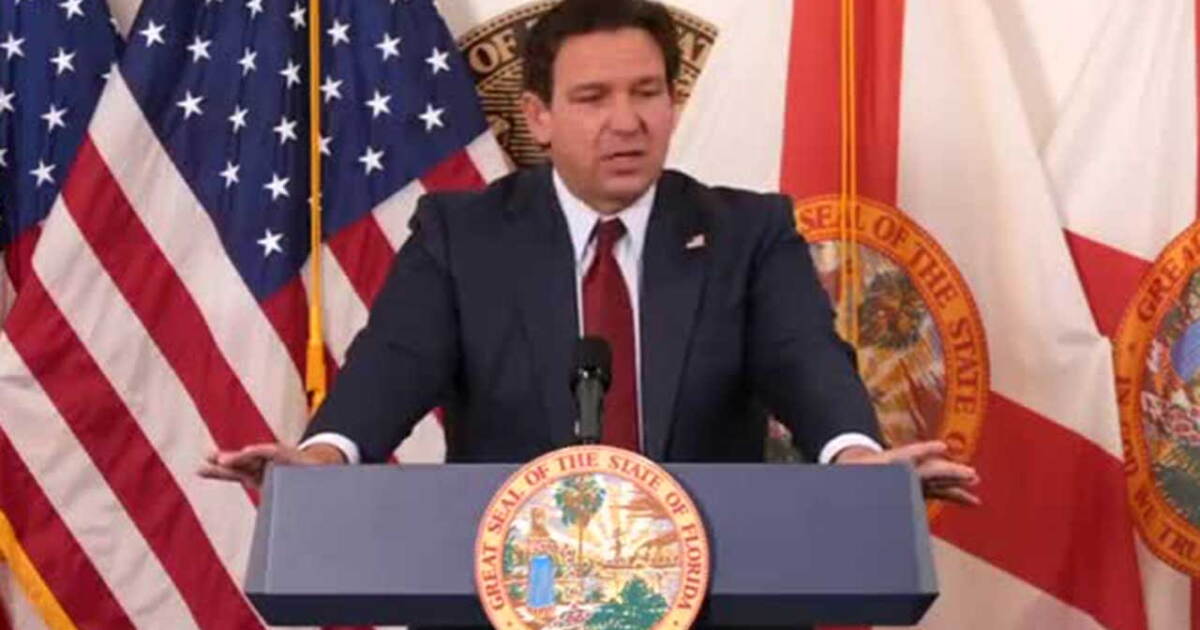
Florida Attorney General James Uthmeier’s office released the names of all 20 defendants charged in a statewide voter fraud sweep this week after repeated requests, nearly seven weeks after announcing the arrests. At least eight cases involving noncitizens cite a law enacted after the defendants allegedly voted.
Uthmeier announced the sweep in September, before the midterm elections, and his office initially named 12 defendants. The full list spans 13 counties and includes 16 noncitizens and four convicted felons. The attorney general’s office said all 20 were ineligible to vote when they allegedly cast ballots. In response to questions about the law cited in the noncitizen cases, a spokesperson for the office said those investigations remain pending.
Among the defendants is Astrid Quintana, a lawful permanent resident charged in Lee County who has lived in the country since she was a toddler. Her attorney, Connor Martin, said she received a voter ID card before voting in 2024 and believed she could vote. “She had no intention to deceive anybody or to do anything that she believed was illegal,” Martin said.
Her case and at least seven others involving noncitizens cite a law that did not exist at the time of the alleged voting. Asked whether the state could charge her under that law, Martin said, “Well, they cannot.”
The list also includes Mei-Lin Johnston, identified among the noncitizen defendants, with charges filed in Okeechobee County, and Jivonn Ysbeck, identified among the convicted felons, with charges filed in Palm Beach County. Duval County has the most cases, with four, followed by Hillsborough County with three.
In Hillsborough County, defendant Donta White remains on probation for grand theft and is ineligible to vote. The state said White, a father of two, admitted registering to vote twice and voting early in 2024. His attorney, Lynley Flagler, said he also received a voter ID card. “I feel that there's an entrapment issue,” Flagler said. “They want to prosecute voting, but they have not put any checks and balances in place to let people know when they're able to vote and when they can't vote.”