
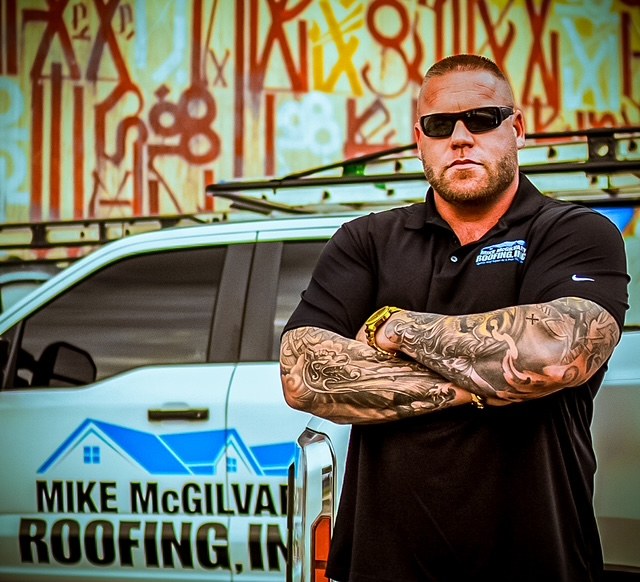
If you own a home in Stuart, Jensen Beach, Palm City, Port St. Lucie, Fort Pierce or anywhere along Hutchinson Island, and your roof is more than 15 years old, there is a good chance you have already received the letter. It says your homeowners insurance will not be renewed unless the roof is replaced. Many Treasure Coast homeowners assume they have two choices: pay for a new roof or lose coverage. Florida law gives them a third option, and most have never heard of it.
What Florida's Roof Age Law Actually Says
Florida Statute 627.7011(5), often called the Florida roof age law or the 15-year roof rule, applies to homeowners insurance policies issued or renewed on or after July 1, 2022. For a roof under 15 years old, an insurer may not refuse to issue or renew a policy solely because of the roof's age. For a roof 15 years or older, the insurer must allow the homeowner to have the roof inspected by an authorized inspector, at the homeowner's expense, before requiring replacement as a condition of coverage. If that roof inspection shows the roof has five or more years of remaining useful life, the insurer may not refuse to issue or renew the policy solely because of roof age.
Authorized inspectors under the statute include Florida-licensed roofing contractors, home inspectors, building code inspectors, general or residential contractors, engineers and architects. The law applies to homeowners policies; it does not apply to a condominium association's master policy, and it does not override every other underwriting decision a carrier is allowed to make. It is a right to be inspected on the roof's actual condition rather than its birthday.
A plain-language summary of the statute, with the text of the law, is available on our Florida roof age law resource page at mmroofrepair.com/florida-roof-age-law.
Why Roof Age and Roof Condition Are Not the Same Thing
On the Treasure Coast, most older homes carry concrete or clay tile roofs. Tile is not the waterproofing layer. The underlayment beneath the tile is.
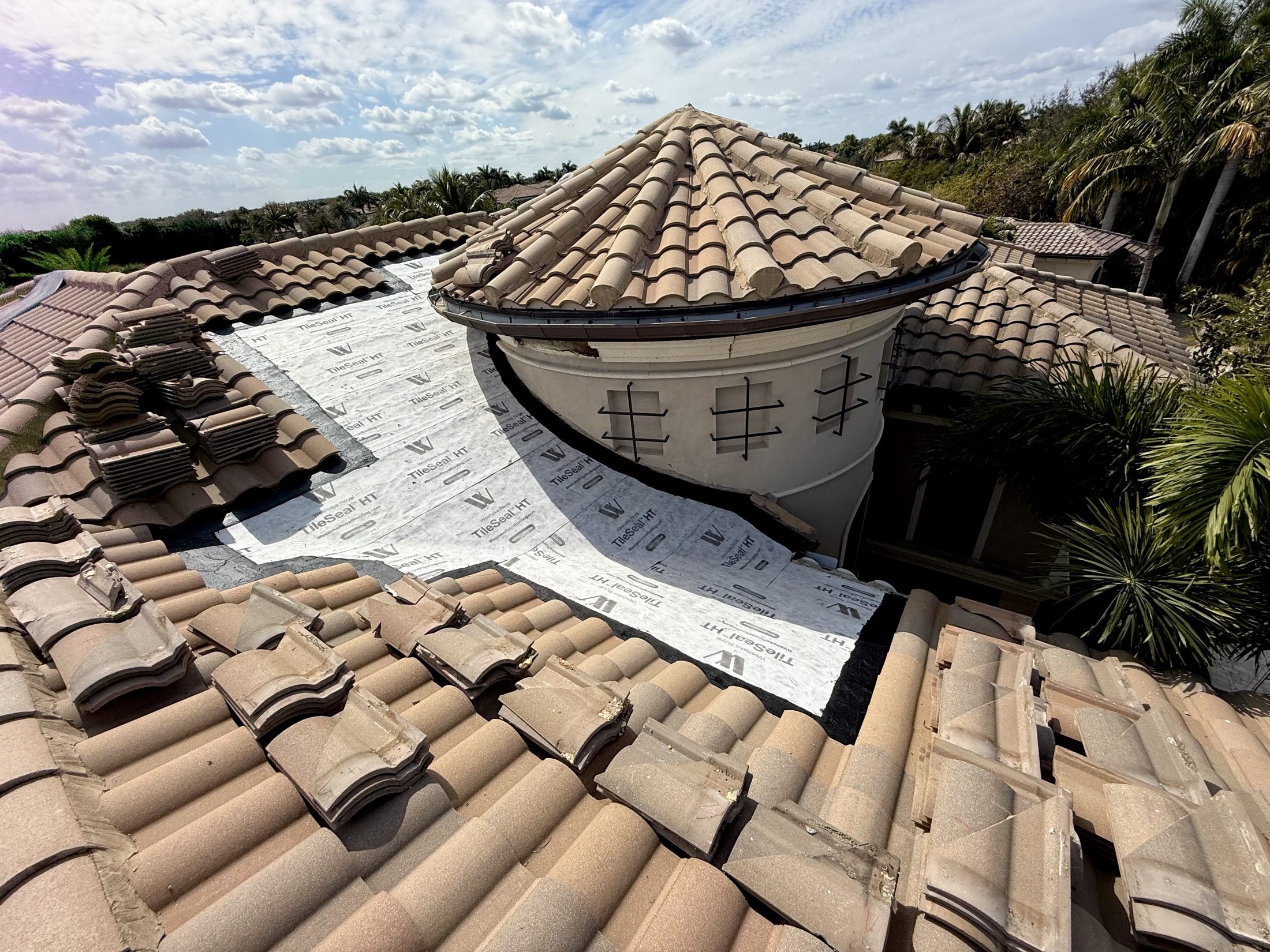
A 20- or 25-year-old tile roof can have tile that is largely sound and underlayment that still has service life, with failures concentrated in the places that handle the most water: valleys, perimeter edges, and flashing transitions around chimneys, walls and skylights. Those are the areas that age fastest, because that is where the water goes.
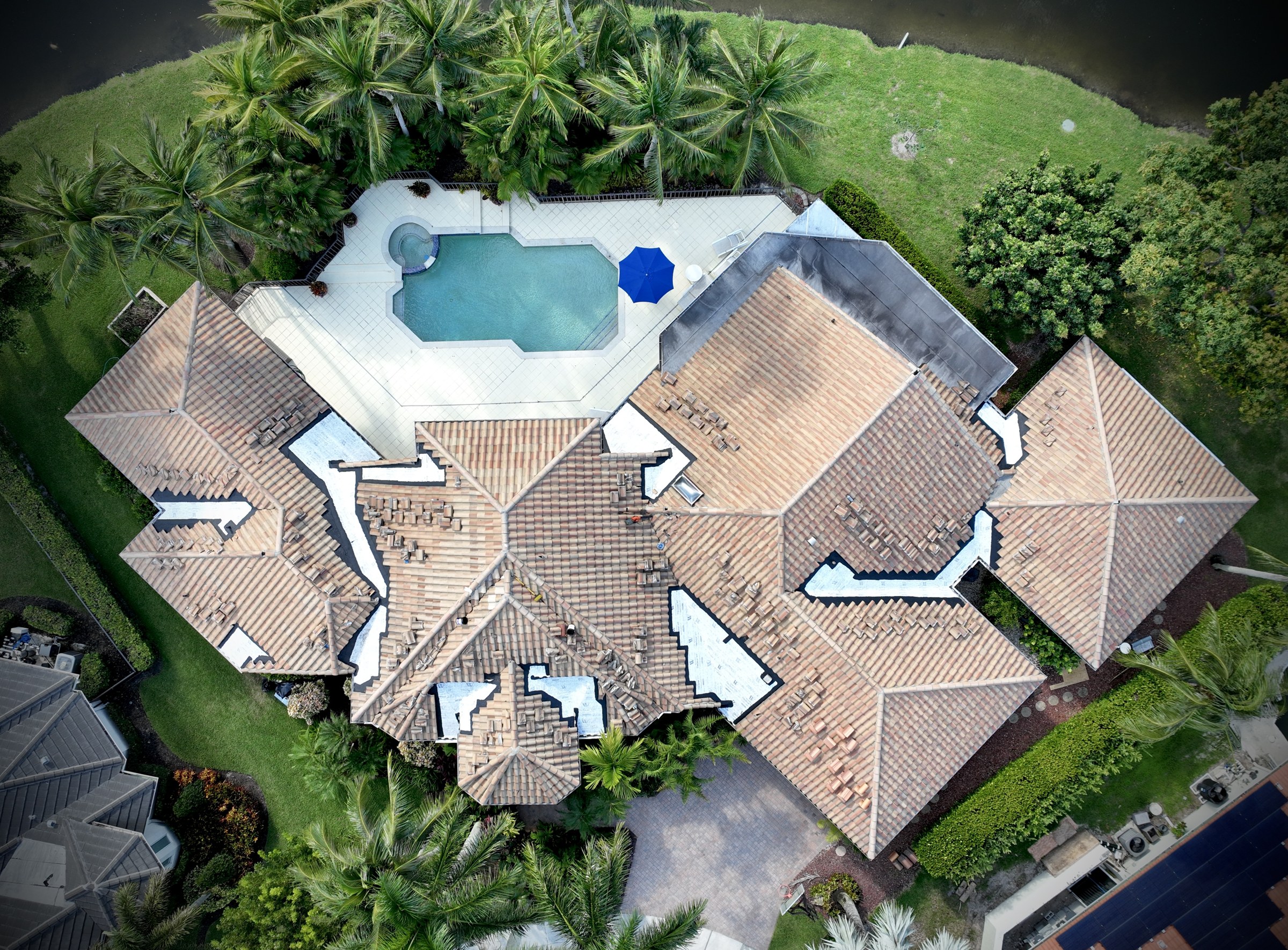
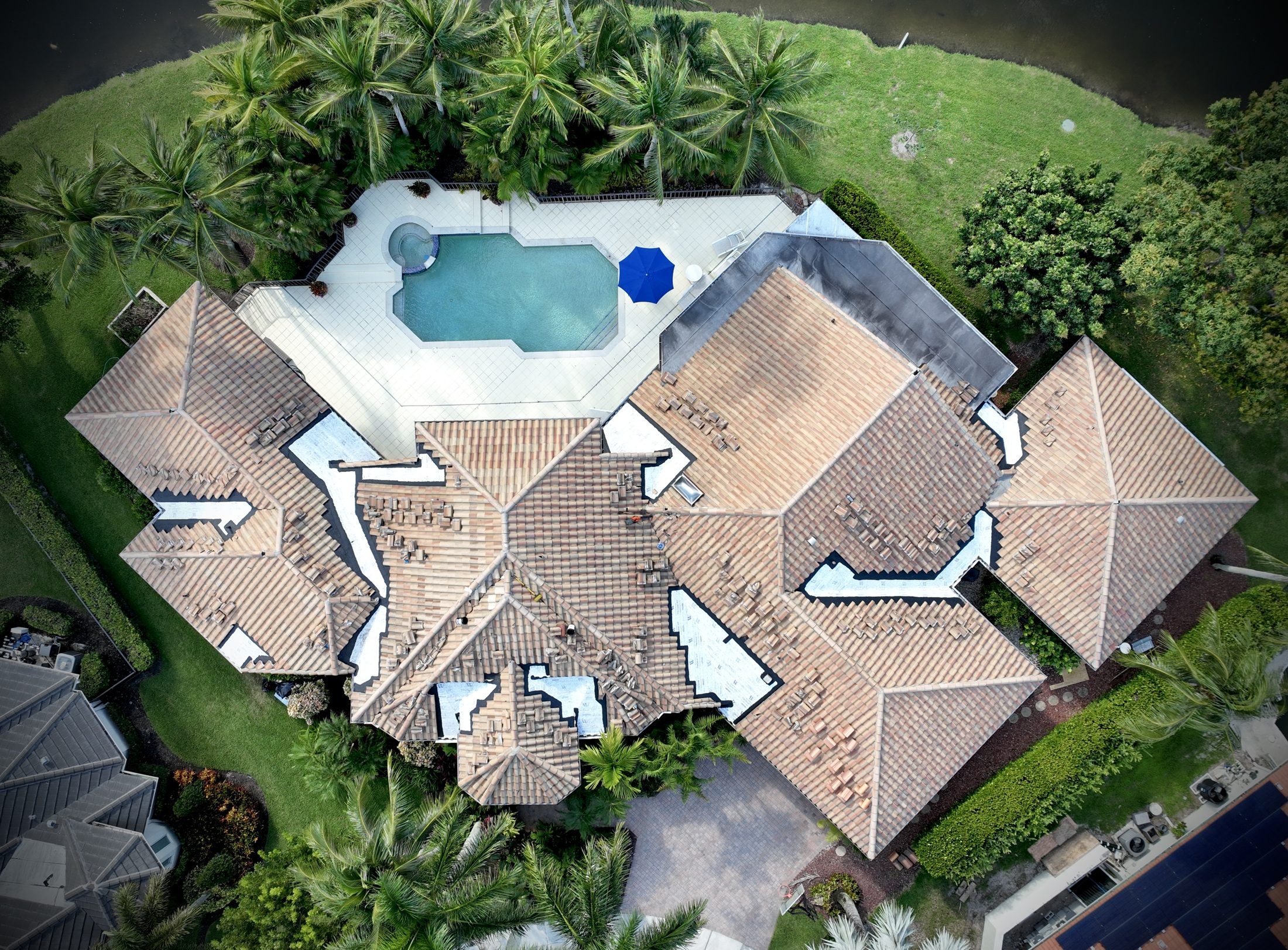
That is why a documented tile roof inspection so often tells a different story than the installation date. In the more than 100 five-year roof certifications our company has issued since 2023, the deficiencies that put an older tile roof at risk have usually been localized and repairable, not spread evenly across the entire roof. Earlier this year we certified a 25-year-old oceanfront tile roof in Highland Beach that, by age alone, would have been scheduled for a full tear-off.
The valleys and perimeter edges were rebuilt with new self-adhered underlayment and copper drip edge, each tile went back in its original position, and the roof was certified for more than five years of remaining life with a ten-page photographic record.
What a Proper Roof Inspection and Five-Year Roof Certification Should Document
Not every piece of paper called a roof certification is worth the same. A credible five-year roof certification is a licensed professional's written opinion, based on an actual inspection, and it should contain five parts:
- Findings: what the inspector observed across each roof system, including tile, flat sections, underlayment where sampled, flashing and penetrations.
- Deficiencies identified: active leaks, broken or loose tiles, deteriorated underlayment, damaged sheathing and flashing failures, recorded by location.
- Repairs performed: exactly what was corrected before the certification was signed.
- Remaining useful life opinion: the inspector's professional judgment, stated with its basis.
- Limitations: what was not inspected or tested. A certification is not a warranty, and an honest one says so.
Every finding should be tied to dated photographs and the inspector's license number. If a document cannot show you where the problem was found and how it was addressed, it is an opinion without evidence, and it will not hold up when it matters.
What to Do When the Non-Renewal Letter Arrives
- Read the letter carefully and note the deadline. Most give a defined window to respond.
- Ask your agent, in writing, whether the non-renewal is based on roof age, and reference Florida Statute 627.7011(5).
- Schedule a roof inspection with an authorized inspector, and ask up front what the written report will include and whether the inspector photographs every deficiency.
- If repairs are needed to reach five years of remaining life, have them completed and documented before the certification is signed.
- Deliver the inspection report and certification to your agent, and keep a copy with your closing documents and your wind mitigation report.
Five Questions to Ask Before Signing a Roof Replacement Contract
- Has anyone inspected and photographed the roof's actual condition, or is replacement being recommended by age alone?
- Where exactly is the roof failing, and is the failure localized to valleys, edges and flashings, or spread across the field?
- Can the failing sections be rebuilt with new underlayment while the existing tile is preserved and reinstalled?
- Is the contractor a Florida-licensed roofing contractor, and is the license number on the proposal?
- Will the contractor return for annual roof inspections so the documentation stays current?
When Roof Replacement Is the Right Answer
This is not an argument against replacing roofs. Some roofs are at the end of their service life. When underlayment has failed across the field, when sheathing is deteriorated in many areas, or when the tile itself is no longer serviceable, replacement is the responsible decision and a good contractor will say so.
The concern is the roof that gets torn off because of a date on a permit, before anyone has inspected, documented and explained its actual condition. Florida law gives homeowners the right to that inspection. The homeowners who benefit are the ones who know to ask for it.